
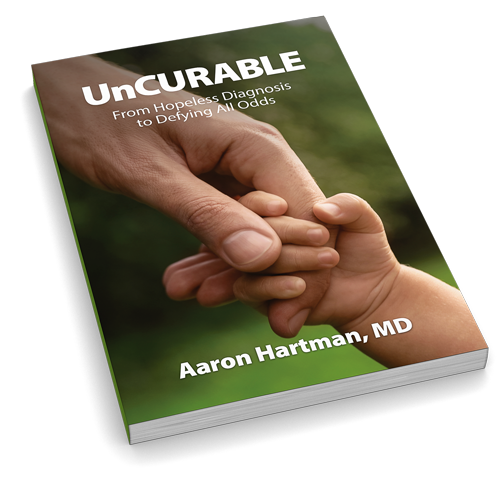
About Aaron

Social

Read Chapter 1

Myalgic encephalomyelitis, also known as chronic fatigue syndrome, affects 2.5 million Americans at an economic cost of $17–24 billion annually. NIH funding: approximately $15 million — less than hay fever research receives. Recent studies show 75% of patients have measurable mitochondrial dysfunction, chronic immune activation, and neuroinflammation. Many physicians still treat it with antidepressants. Average diagnosis time is 5–7 years.

#MedicalBlindSpots #MECFS #ChronicFatigue #WomensHealth
A concussion looks a lot like a tiny seizure.

That’s not a figure of speech. When researchers looked at people’s brain activity right after a concussion, the electrical pattern resembled what you see right after a seizure. At the moment of impact, thousands of neurons fire off at once, a small storm inside your skull.

It’s why a “minor” hit can leave you foggy, off, and not yourself for months. And it’s why the things that actually help calm that storm down instead of just waiting it out.

Dr. Aaron Hartman opens a new series on brain injury with what’s really happening inside your head, and why understanding it is the first step back.

Comment READ and we’ll send the full article straight to your inbox.
Women are 50% more likely than men to be misdiagnosed with a heart attack. Women under 55 are twice as likely to die after a heart attack compared to men. Only 13% of women experience chest pain as their primary symptom; 95% have non-traditional symptoms in the month before. Medical research until roughly 2000 was conducted almost entirely on white men. Women are treated 50% less aggressively for identical heart symptoms and are half as likely to receive cardiac catheterization.

#MedicalBlindSpots #WomensHealth #HeartDisease #MedicalFeminism
For primary prevention of heart disease, statins reduce absolute risk by roughly 1–2% over five years — meaning approximately 100 people need to be treated for five years to prevent one or two heart attacks. Risks include a 48% increased diabetes risk for women, 8% for men, muscle aches in 10–25% of patients, and cognitive concerns. The guidelines for statin use were written by a committee with financial ties to the pharmaceutical industry.

#MedicalBlindSpots #Statins #HeartDisease #EvidenceBasedMedicine
A 2016 study estimated that trans fat consumption was responsible for approximately 20,000 excess heart attacks annually in the years before the 2015 FDA ban. The American Heart Association had recommended these fats for 40 years. Dr. Hartman closes the historical blind spots sequence by asking what current blind spots remain — naming seed oils, fluoride in water, and the ongoing adoption gaps as open questions.

#MedicalBlindSpots #TransFats #HeartDisease #PublicHealth
“If something out there actually helps, why hasn’t anyone handed it to me yet?”

If you have long COVID, you’ve probably had that thought. The answer isn’t the one most people expect. The best tools usually aren’t the newest ones. They’re old, off-patent, already-proven drugs, stuck in a long gap between “we know this helps” and “you’re allowed to have it.”

It’s not a hidden cure. It’s that approval runs on patents, and nobody pays for a giant trial on a drug they can’t own. Dr. Aaron Hartman explains the gap, where peptides fit, and how to be a careful advocate for your own care.

Comment READ and we’ll send the full article straight to your inbox.
Every 2% increase in trans fat consumption is associated with a 23% increase in heart disease risk. The FDA banned trans fats in 2015 — 40 years after the American Heart Association began recommending them. Canola oil is rapeseed oil, renamed and deodorized with chemical solvents because the raw oil smells strongly. The knowledge that these fats were harmful existed among practitioners for decades before becoming nationally recognized.

#MedicalBlindSpots #TransFats #HeartDisease #DietaryGuidelines
For nearly four decades, the American Heart Association recommended partially hydrogenated vegetable fats — margarine — over butter. Crisco is crystallized cottonseed oil. These fats have since been linked to increased obesity, metabolic syndrome, and women’s hormonal and fertility issues. The 2026 dietary guidelines finally reversed the recommendation. Dr. Hartman notes: “Sometimes our healthcare system doesn’t just get things kind of wrong — it’s flat out straight wrong, and we preach it like the gospel.”

#MedicalBlindSpots #Margarine #TransFats #DietaryGuidelines
Formula marketing in developing countries during the 1970s contributed to an estimated 1.5 million infant deaths annually from contaminated water and malnutrition — leading to the 1977 Nestlé boycott. Breastfed babies have 50% fewer ear infections, 36% lower SIDS risk, and reduced rates of asthma, obesity, and diabetes. Dr. Hartman’s explanation for how medicine got something so basic wrong: hubris and intellectualism displacing common sense.

#MedicalBlindSpots #Breastfeeding #InfantHealth #PublicHealth
“There’s nothing we can do for long COVID.” A lot of patients have been told some version of that. It’s wrong.

There’s a whole list of therapies that have worked, sometimes dramatically, in real exam rooms. The catch is that almost none of them were built for long COVID, so they never show up where you’d think to look.

Dr. Aaron Hartman and Dr. Christian Jenski walk through the real toolkit, from low-dose naltrexone to microdosed GLP-1s to the phospholipid infusions that gave one patient back the night sky. Not a cure-all. The end of hopelessness.

Comment READ and we’ll send the full article straight to your inbox.
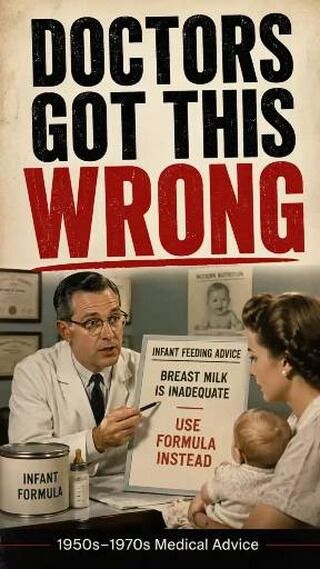
From the 1950s through the 1970s, formula was routinely recommended as superior to breastfeeding. Dr. Hartman’s own mother was told not to breastfeed any of her four boys — she ignored the advice. Formula has had problems with fatty acid ratios, high-fructose corn syrup, and vitamin D deficiencies. The formula concept dates to the 1880s, and every reformulation has revealed new problems.

#MedicalBlindSpots #Breastfeeding #InfantHealth #MedicalHistory
A 1995 landmark study in the New England Journal of Medicine found that two days of rest was helpful for back pain, but prolonged bed rest delayed recovery by three to four weeks. The broader pattern Dr. Hartman names: medicine repeatedly takes something beneficial in small amounts and over-applies it until it causes harm. He uses the term “iatrogenic” — harm caused by medical treatment itself.

#MedicalBlindSpots #BackPain #MedicalError #EvidenceBasedMedicine